Job Creation and Unemployment AZ: Teri Ann Hourihan’s Plan
Summary
Arizona is growing rapidly, and as our state continues to expand, we must keep pace with the workforce development needed to support that growth. While businesses are creating jobs and investing in Arizona, unemployment has increased, highlighting a growing challenge in our economy. The issue is not simply a lack of jobs—it is a mismatch between the skills employers need and the training opportunities available to workers.
Arizona must expand workforce development programs, apprenticeships, trade education, and fast-track certification pathways that prepare people for careers in high-demand industries. We need more opportunities for individuals to gain the skills necessary to fill positions in healthcare, technology, manufacturing, skilled trades, public safety, and other growing sectors of our economy.
As Governor, I will work with schools, community colleges, universities, and industry leaders to create stronger career pathways for students and workers. Workforce preparation should begin early. High school students should have greater access to career and technical education programs, industry certifications, apprenticeships, and dual-enrollment opportunities that connect education directly to employment.
Affordability is also critical. Too many people view college, technical training, and certification programs as financially out of reach. We must expand scholarships, employer-sponsored training programs, tuition assistance, and workforce development grants so that Arizonans of all ages can pursue new career opportunities without being burdened by excessive costs.
Career exploration and workforce readiness should become a normal part of education, beginning in middle school and continuing throughout high school. Students should be exposed to the wide range of careers available in Arizona and understand the pathways available to achieve their goals. By introducing career planning and workforce skills earlier, we can better prepare the next generation for success.
Arizona's future depends on a strong workforce. By investing in education, training, affordability, and career readiness, we can connect more people to good-paying jobs, help businesses fill critical positions, and build a stronger economy for generations to come.
History
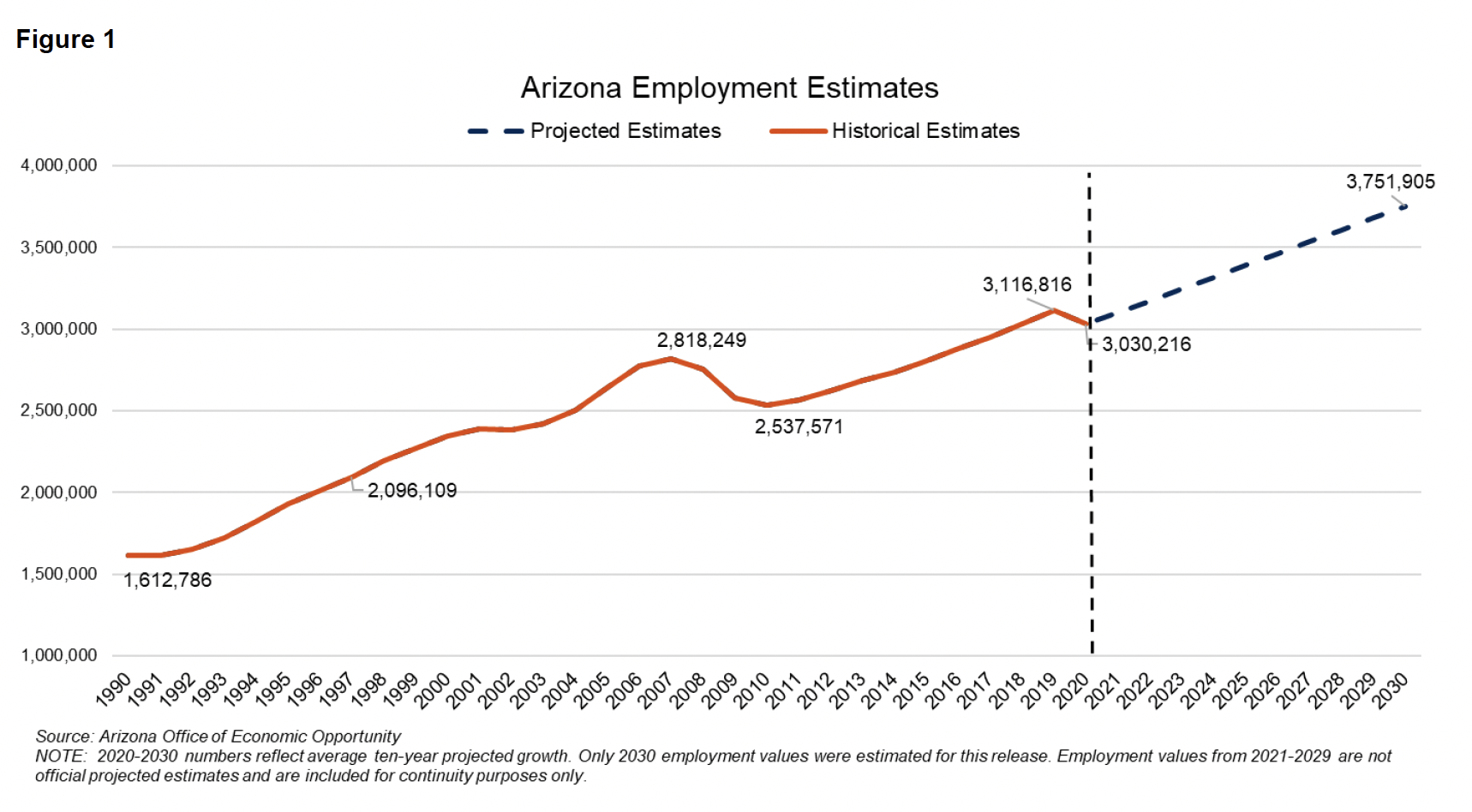
Over the last decade, from 2016 to 2026, Arizona's unemployment rate has averaged approximately 5%. During that same period, Arizona has emerged as one of the nation's leading centers for semiconductor manufacturing and advanced technology investment, creating significant opportunities for economic growth and employment.
As Arizona continues to attract major employers and industries, we must ensure our infrastructure and resources can support that growth. By strengthening water conservation and preservation efforts, we can responsibly continue developing Arizona's economy, creating jobs, expanding housing, and attracting new investment. Arizona has the potential to become not only a leader in semiconductor manufacturing but also an energy and technology leader throughout the Southwest.
The challenge facing Arizona today is not a lack of jobs. Many employers have positions available and are actively hiring. The challenge is that we do not currently have enough trained workers to fill those positions. There is a growing gap between available jobs and the workforce prepared to enter them.
To address this issue, we must accelerate workforce development by expanding training programs, apprenticeships, certification pathways, and industry partnerships. We need faster and more affordable routes into high-demand careers so Arizonans can quickly gain the skills needed to enter the workforce.
I believe major corporations that benefit from Arizona's workforce, infrastructure, and business climate should also be partners in developing the next generation of workers. Through paid externships, apprenticeships, tuition assistance, scholarships, and partnerships with colleges and trade schools, these companies can help invest in the workforce they depend upon. By working together, government, education, and industry can create a stronger economy, higher wages, and greater opportunity for all Arizonans.
Current
Arizona's unemployment rate is approximately 4.7%, which is above the national average of 4.3%. At the same time, Arizona's population continues to grow rapidly, and employers across the state are expanding operations and creating new jobs. However, a significant challenge remains: there is a mismatch between the skills many job seekers possess and the qualifications employers need.
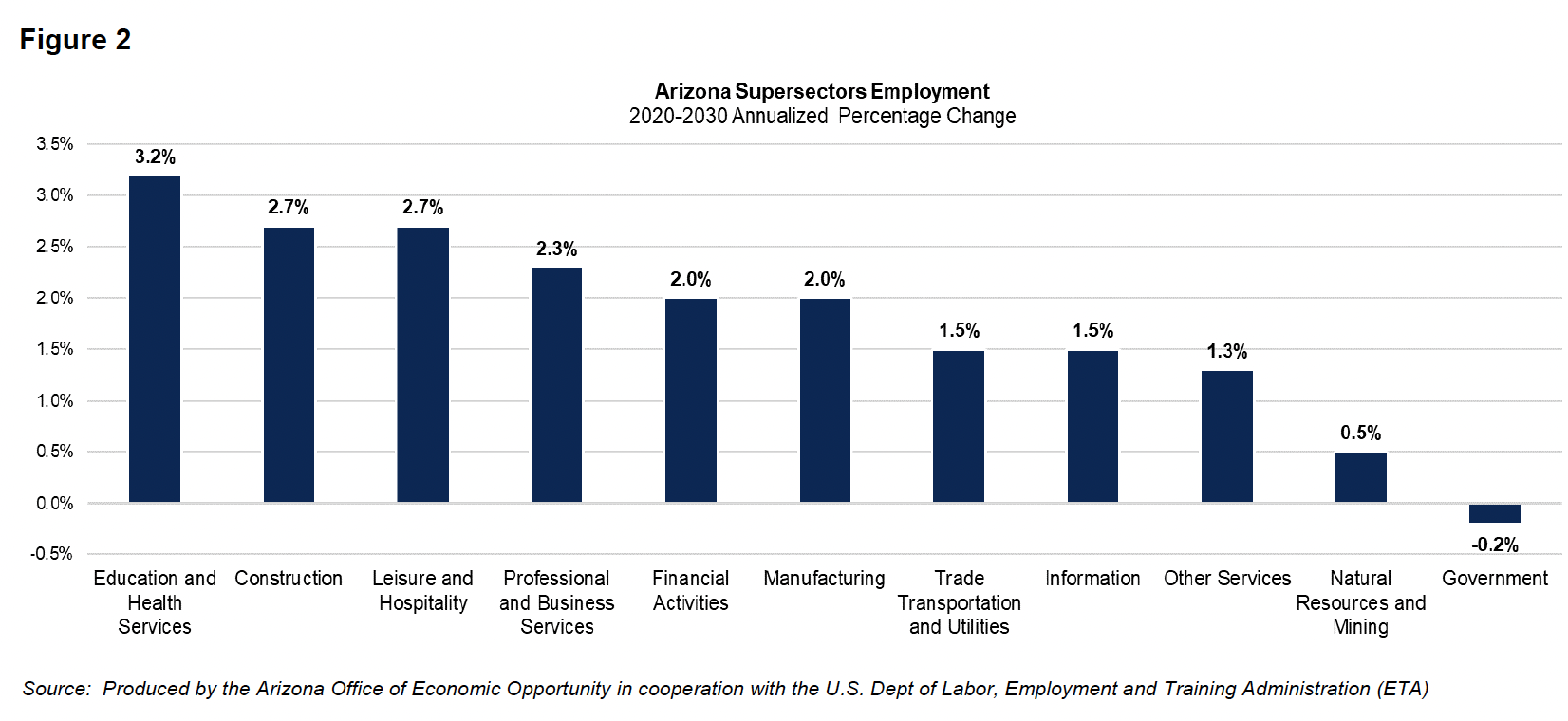
Many industries in Arizona—including healthcare, semiconductor manufacturing, advanced manufacturing, construction, plumbing, electrical trades, and other skilled professions—have positions available but struggle to find qualified workers. While unemployment indicates there are people seeking work, many of those individuals do not currently have the training or credentials required to fill these in-demand jobs.
This skills gap leaves both employers and workers at a disadvantage. Businesses face workforce shortages that limit growth, while unemployed Arizonans miss opportunities to secure stable, well-paying careers. To address this challenge, Arizona must place a greater focus on workforce development and career training in industries experiencing the highest growth.
As Governor, I will work with universities, community colleges, trade schools, and industry leaders across the state to expand fast-track training programs, apprenticeships, certification pathways, and job placement services. By aligning education and workforce training with Arizona's economic needs, we can better prepare workers for available jobs, help businesses find the talent they need, and strengthen Arizona's economy for years to come.
Plan
As Governor of Arizona, I will create jobs by investing in infrastructure projects, including roads, highways, airport improvements, and public transportation. I will also help create jobs by streamlining the permit approval process for construction, housing, and business development so projects can move forward more efficiently.
I will support businesses of all sizes by ensuring Arizona remains a business-friendly state while protecting employers from unnecessary burdens that could threaten their ability to operate and grow. For startups and small businesses, I will work to expand access to low-interest loans, promote affordable healthcare options for small business owners and employees, and strengthen workforce development programs.
Workforce training will be a major priority of my administration. I will partner with community colleges and trade schools to expand short-term certificate programs that prepare Arizonans for immediate employment opportunities. By focusing on high-growth industries such as semiconductors, artificial intelligence, cybersecurity, healthcare, advanced manufacturing, and renewable energy, Arizona can meet employer demand while creating pathways to good-paying careers.
Arizona universities and colleges are already partnering with semiconductor and technology companies to accelerate training, apprenticeships, and employment opportunities. I will encourage additional public-private partnerships that help reduce the cost of training through scholarships, employer-sponsored programs, tuition assistance, and workforce rebates. These programs can attract new residents, support current Arizona workers, and help employers fill critical positions.
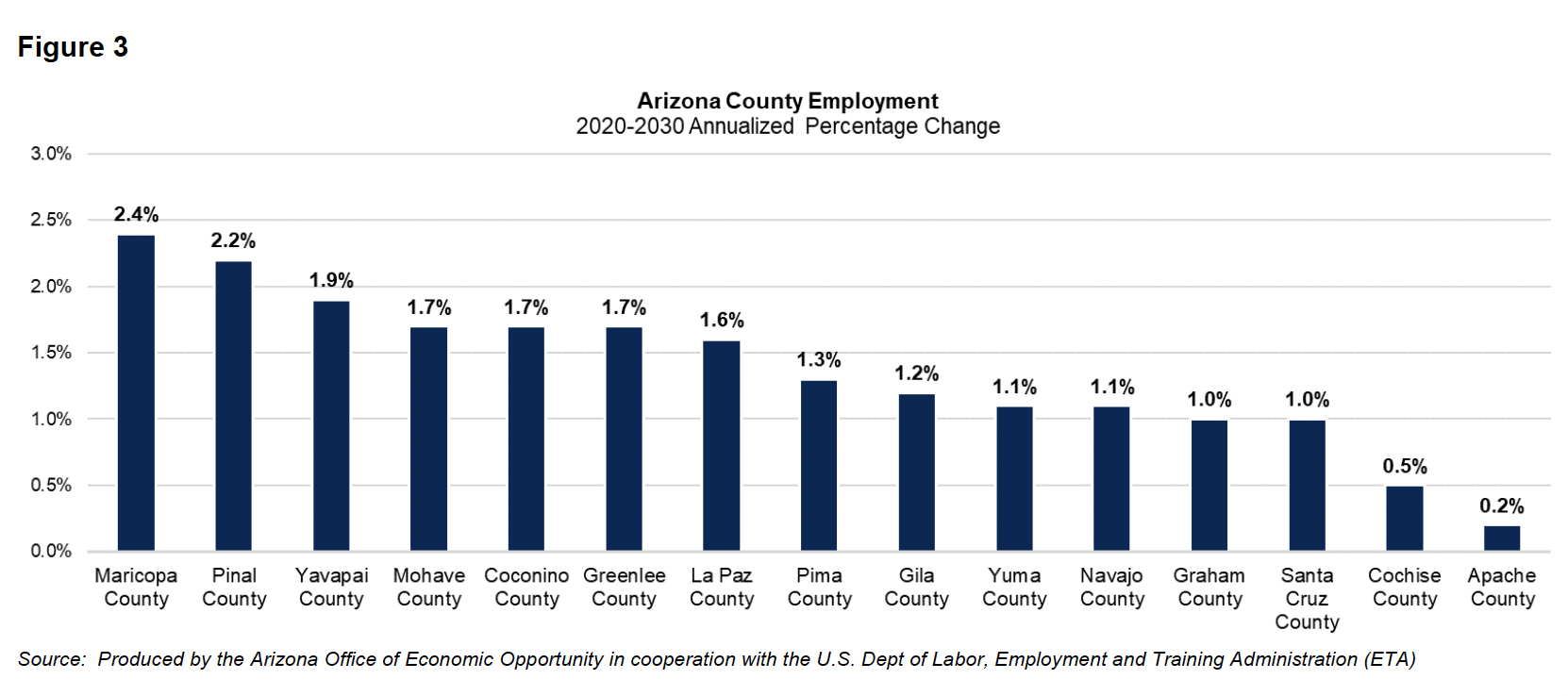
Rural communities deserve the same opportunities as urban areas. Too often, rural communities lack access to professional services because of geographic distance and workforce shortages. As Governor, I will support workforce training programs in rural Arizona that prepare local residents to serve their own communities in healthcare, education, public safety, skilled trades, and other essential professions.
Healthcare workforce expansion is another critical need. Arizona faces shortages in nursing, behavioral health, emergency medical services, and other healthcare professions. Many nursing programs have long waiting lists despite the state's growing demand for healthcare workers. I will work with educational institutions and healthcare providers to expand training capacity and increase opportunities for careers such as nurses, medical assistants, EMTs, behavioral health professionals, and other essential healthcare workers.
By strengthening workforce training, supporting semiconductor and technology expansion, investing in infrastructure, and increasing housing development, Arizona can create more economic opportunity for families across the state. These efforts will help drive wage growth, increase competition for skilled workers, attract new businesses, and strengthen Arizona's long-term economy.
A practical goal of my administration will be to reduce unemployment from approximately 4.7% toward 4.0% or lower through strategic investments in workforce development, infrastructure, housing, and economic growth. Achieving this goal could create tens of thousands of additional jobs while building a stronger and more prosperous Arizona for future generations.
Conclusion
To conclude, as Governor of Arizona, I will make workforce development and economic opportunity a top priority. I will support our schools, community colleges, universities, and industries by ensuring training programs align with the needs of Arizona's growing economy. Education and workforce development must work hand in hand so that students are prepared for the careers that employers need to fill.
I will also work with major employers and expanding industries to develop partnerships that invest in the next generation of Arizona workers. Companies that benefit from Arizona's infrastructure, workforce, and business climate should also be active partners in strengthening our communities through workforce training, apprenticeships, scholarships, and educational investments.
There is no reason billion-dollar corporations should come to Arizona, benefit from our resources and workforce, and not contribute meaningfully to the development of future workers. We must create a culture of partnership where businesses, educators, and government work together to build a stronger Arizona.
Arizona succeeds when our companies succeed, but our companies should also help Arizona succeed. By investing in our people, supporting workforce development, and creating opportunities for future generations, we can build a stronger economy, attract more investment, and ensure prosperity is shared across our state.